

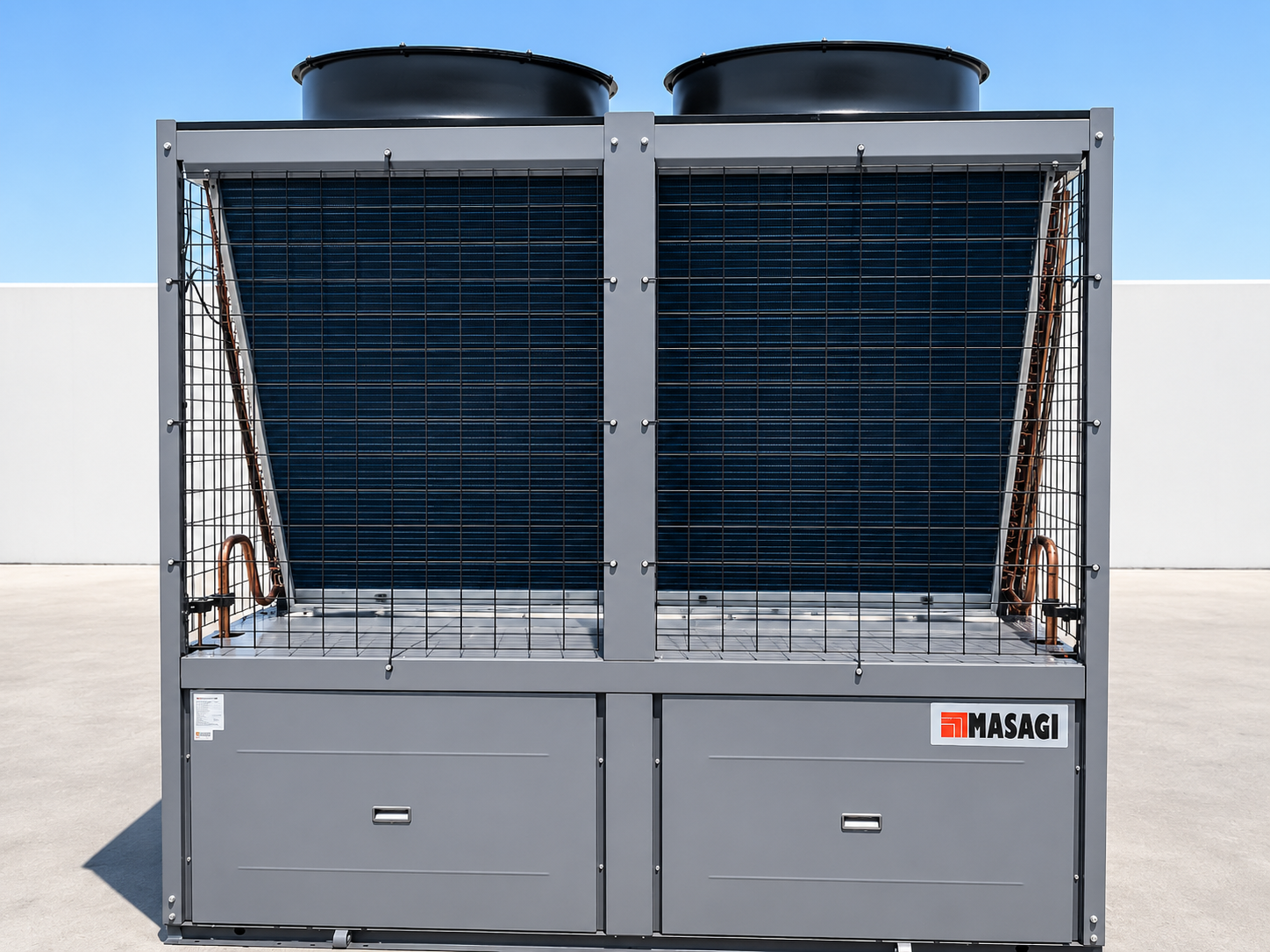

What Is the Function of a Chiller in Manufacturing Industries? Benefits, Working Principles, and Why It Matters
In today’s competitive manufacturing environment, maintaining stable operating temperatures is essential to ensure product quality, equipment reliability, and production efficiency. One of the most important systems used to achieve this is an industrial chiller.
However, many business owners and production managers still ask the same question:
What is the function of a chiller in manufacturing industries?
This article explains how chillers work, their key benefits, and why they are considered a critical investment for industrial operations.
What Is a Chiller?
A chiller is a cooling system designed to remove heat from industrial processes or building environments by circulating chilled water through equipment that requires temperature control.
The chilled water produced by the system is distributed through piping networks to cool machinery, molds, HVAC systems, and other industrial applications.
In simple terms, a chiller acts as the heart of an industrial cooling system.
Main Functions of Chillers in Manufacturing Industries
1. Maintaining Stable Machine Temperatures
Industrial equipment generates significant amounts of heat during operation. Excessive temperatures can lead to performance issues and equipment failure.
A chiller helps maintain optimal operating temperatures by:
Preventing machine overheating.
Improving equipment performance.
Extending machine lifespan.
Reducing unexpected shutdowns.
Temperature control is essential for maintaining smooth production processes.
2. Ensuring Consistent Product Quality
Many manufacturing sectors rely heavily on precise temperature control to maintain product specifications.
Industries that commonly use chillers include:
Food and beverage manufacturing
Pharmaceutical production
Plastic processing
Chemical industries
Electronics manufacturing
Without proper cooling, temperature fluctuations can cause product defects, inconsistencies, and increased rejection rates.
Chillers help ensure consistent product quality throughout the production cycle.
3. Improving Production Efficiency
Stable cooling conditions contribute directly to higher production efficiency.
The benefits include:
Reduced production downtime.
Faster production cycles.
Lower product rejection rates.
Improved operational productivity.
Ultimately, this leads to better profitability and improved manufacturing performance.
4. Cooling Injection Molding Machines
In the plastic manufacturing industry, chillers are essential for cooling molds after the injection process.
Proper mold cooling provides several advantages:
Faster cycle times.
Improved dimensional accuracy.
Enhanced product appearance.
Higher production output.
This is why industrial chillers are standard equipment in most plastic manufacturing facilities.
5. Supporting Industrial HVAC Systems
Chillers are not only used for production processes but also serve as the primary cooling source for HVAC systems.
Chilled water can be supplied to:
Air Handling Units (AHU)
Fan Coil Units (FCU)
Industrial HVAC applications include:
Manufacturing plants
Hospitals
Office buildings
Hotels
Data centers
These systems provide comfortable working environments while maintaining required operational conditions.
How Does an Industrial Chiller Work?
An industrial chiller typically operates using four major components:
Evaporator
Absorbs heat from the process water, producing chilled water.
Compressor
Compresses the refrigerant and circulates it throughout the system.
Condenser
Releases heat from the refrigerant to the surrounding environment.
Expansion Valve
Reduces refrigerant pressure before it returns to the evaporator.
This refrigeration cycle continuously removes heat to maintain the desired temperature.
Types of Industrial Chillers
Air-Cooled Chillers
Air-cooled chillers use ambient air to reject heat from the condenser.
Advantages:
Easier installation.
Lower maintenance requirements.
Suitable for small to medium capacities.
No cooling tower required.
Water-Cooled Chillers
Water-cooled chillers use cooling towers to dissipate heat.
Advantages:
Higher efficiency for large capacities.
Ideal for 24/7 operations.
Longer equipment life expectancy.
Better energy performance in large facilities.
Selecting the right type depends on production requirements, available space, and operating conditions.
Signs Your Chiller Needs Maintenance
Regular maintenance is essential to ensure reliable operation.
Common warning signs include:
Insufficient cooling performance.
Increased energy consumption.
Abnormal refrigerant pressure.
Frequent alarms or trips.
Unusual noises during operation.
Refrigerant or water leakage.
If any of these symptoms occur, professional inspection is recommended.
Why Preventive Maintenance Is Important
Preventive maintenance provides several benefits:
Reduces the risk of unexpected breakdowns.
Maintains energy efficiency.
Extends equipment lifespan.
Minimizes costly repairs.
Ensures uninterrupted production.
Routine maintenance costs are significantly lower than production losses caused by equipment failure.
Air Hira Indonesia: Your Trusted Industrial Chiller Partner
Air Hira Indonesia provides comprehensive cooling solutions for industrial facilities, including:
Industrial chiller maintenance services.
Chiller installation and commissioning.
Troubleshooting and repair services.
Condenser and evaporator cleaning.
Chiller unit supply and replacement.
Industrial HVAC consultation.
Supported by experienced technicians, Air Hira Indonesia is committed to helping customers maintain reliable and energy-efficient cooling systems.
Conclusion
Industrial chillers play a vital role in modern manufacturing by maintaining temperature stability, protecting machinery, improving product quality, and increasing production efficiency.
Choosing the right chiller system and implementing proper maintenance practices can provide significant long-term benefits for your business.
If you are looking for professional industrial cooling solutions, Air Hira Indonesia is ready to support your operational needs.
Great content! Keep up the good work!
Thanks for your appreciate
gdlxpewdphlmsvskpslodpzxsemjus
hello
if you have any question , dont timidity to ask we are
best regards
air hira